
The 1,100-Meter Challenge: Skiing Cerro Catedral Summit to Base | Skiing Bariloche
Master the longest descent in Bariloche. Our 2026 guide covers the best lines, hidden shortcuts like the Central Tunnel, and pro tips for conquering Cerro Catedral. Skiing Bariloche.
CATEDRALBARILOCHEEN
altapatagonia.ski Staff
3 min read
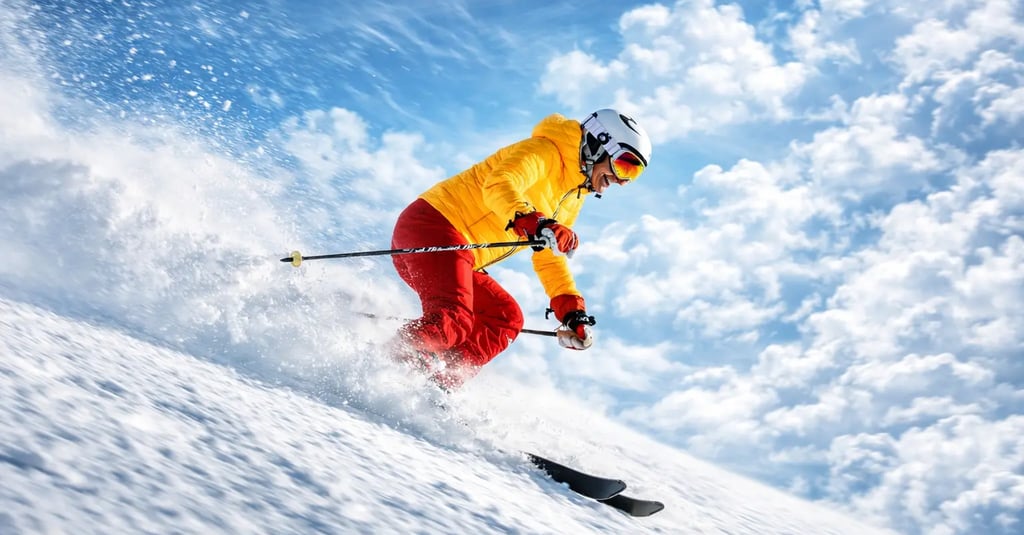
For the 2026 winter season, Catedral has fully polished its "Master Plan." If you haven’t visited in a while, you’re going to find a redesigned mountain. Forget the old maps; today, the keys to the kingdom are connection speed and knowing how to navigate the hidden "tunnels." Let’s ride the longest, most fluid line possible together.
The Ascent: The "Fast Track" to the Clouds
To ensure your legs arrive fresh for the descent, your uphill strategy is fundamental. In 2026, the winning combination remains the Ciprés-Ñire-Lenga axis.
Leaving the base (1,030m), we hop on the Ciprés chairlift to gain elevation quickly. Here’s a pro tip few riders use: the technical snow (man-made snow produced by cannons overnight) between the chairlifts is your best ally to avoid scratching your bases if the winter has been on the drier side.
When you reach the Lenga chair, pay attention to a logistical secret: the Central Tunnel. This covered metal structure allows skiers to pass directly under the lift line. It’s the "shortcut" that deposits you right into the funnel for the Nubes chairlift—the highest point of our journey.
On Top of the World: The Nubes Panoramic View
Stepping off the Nubes chair is like entering another dimension. You are at over 2,100 meters, and the air just hits differently. Before dropping in, do the classic left-hand U-turn and take a second to look at Lake Nahuel Huapi from above. That silence is what makes every dollar spent on the lift pass worth it.
We start with Panorámica de Nubes. Although the map marks it as a Red run to warn the casuals, it’s actually a luxury cruiser. It’s a "ridge run," meaning you’re riding the spine of the mountain. It’s wide with a predictable pitch—ideal for letting your edges go and soaking in the view without pressure.
High-Alpine Traverse: From Punta Nevada to Refugio Lynch
The big trick to making this descent feel eternal is staying on the ridge. When you reach the Punta Nevada zone, the terrain seems to drop off. Many riders make the mistake of heading straight down, but if you want the full experience, you have to "flank" the mountain.
Keep your line high, aiming toward the historic Refugio Lynch. It’s a game of momentum: you need to cross the runs without losing elevation to link back up with Panorámica de Lynch. This is where Catedral shows its best face—a natural balcony overlooking the Andes that will leave you speechless.
El Cañadón: Where the Technique Gets Serious
As we lose elevation, the mountain becomes more "muscular." We enter El Cañadón, a proper Red run in every sense. Here, the pitch gets real and the snow can be treacherous; it can be hard as a rock or filled with "chunky" debris shedding from the side slopes.
If you feel like your helmet cam isn't capturing the steepness, don’t be fooled: your knees will confirm it. This is the moment to ski with discipline, maintaining control over your turn radius because the traffic here tends to intensify.
The "Cascada" Filter: The Final Push
The final stretch takes us into Cascada, the run that revolutionized the lower third of the mountain a couple of seasons ago. It’s modern and wide, but it has a "trap": it’s the final funnel.
By the afternoon, Cascada becomes a survival challenge. The famous bumps (moguls) start to form, and you’ll encounter riders of all levels coming down exhausted. If you see people sitting on the sides, they’re waiting for a "gap" in traffic to make their final sprint. My advice: if the snow is too chewed up, take a breather before dropping in or descend with textbook patience.
We cross the Events zone, carve the final turns on the flats, and suddenly, the sound of the wind in your helmet is replaced by the murmur of the crowd at the base. Mission accomplished.
2026 Planning: Your Dollar-Based Checklist
To make this descent perfect, your logistics must be dialed. Here are the 2026 reference numbers:
The Lift Pass: A Day Pass is roughly 125 USD. Buy it online; wasting an hour at the ticket window is a mortal sin with these runs waiting for you.
Smart Security: Don't gamble with your phone. For about 15 USD, an anti-drop tether (like those from Ener) lets you take photos on the chair without the fear of watching your 1,200 USD smartphone go skydiving without a parachute.
The Gear: A solid set of All-Mountain skis for these long descents costs about 25-30 USD per day at the top-tier rentals in the base area.
The Toast: A pint of local craft beer to celebrate your legs surviving El Cañadón will run you about 6 USD.
The Mountain Code
It’s always worth remembering: on a descent this long and crowded, the rider in front has the right of way. If you’re going to "charge" and pick up speed, only do it if you have plenty of room to maneuver. Catedral is meant to be enjoyed by everyone together.
See you on the ridge!